Love and Leverage: Should an Athlete’s Celebrity Relationship Affect Their Contract Value?

In today’s professional sports economy, player value stretches far beyond the box score. Teams routinely factor in off-field elements like branding power, media influence, and fan engagement, all forces that can generate revenue and mold a franchise’s cultural footprint. Nowhere is this more apparent than in celebrity-athlete relationships. Even online platforms are quick to recognize and take advantage of the online popularity these celeb romantic entanglements bring. As the example of Travis Kelce and Taylor Swift’s relationship continues to demonstrate: the market impact of a high-profile pairing can be immediate and measurable. 

As legal scholars have long recognized, identity itself carries market power. But as this trend grows, a new question emerges: should front offices actually weigh an athlete’s relationship status with a celebrity when determining their acquisition cost or contract value? Should their total compensation package reflect the marketing value they add with their romantic partner? Or does this blur the lines between sports performance, entertainment economics, and personal boundaries of public figures? Attempting to answer these questions requires us to take a closer look at where sports economics meets publicity rights, using real life examples, while exploring how courts already understand fame, identity, and commercial value.

The “Swift Effect” 

Travis Kelce and Taylor Swift’s relationship didn’t just dominate celebrity headlines, it signaled a new wave in the business of professional football. Swift’s first appearance at Arrowhead Stadium in September 2023 triggered a viewership surge unlike anything the league had seen. In the days following that game, the NFL posted about Swift 34 times across its social channels, generating 170 million impressions, while Kelce’s jersey sales skyrocketed 400% and the Chiefs added over 200,000 new Instagram followers (and counting). What initially looked like a cultural crossover moment quickly became an economic engine.

The impact reverberated across fan demographics. Female viewership (especially among 18 to 24 year-olds) jumped dramatically, helping push Super Bowl LVIII to a record 123.7 million average viewers, fueled by a 24% spike in young women tuning in. Over the year, more than four million new female fans entered the NFL market, with an estimated 3.4 million joining Chiefs Kingdom alone. Chiefs owner Clark Hunt later confirmed the shift: the team’s fan base, once evenly split, now skews 57% female, a change he directly attributes in part to Swift’s presence.

But what’s fascinating from a legal lens is how closely this real-world moment mirrors how courts talk about fame. American case law has long acknowledged that public figures carry commercial value simply by being who they are. In Haelan Laboratories v. Topps, the Second Circuit coined the “right of publicity,” recognizing a person’s identity as a monetizable asset. In today’s example: Swift doesn’t just bring market attention, she expanded the economic value of Kelce’s identity, making the Chiefs more valuable as a brand. And let’s not forget when she gave Kelce a cameo on her record-breaking Era’s Tour, adding even more buzz around the tight end’s name. It’s the exact kind of commercial effect the law already takes seriously.


So what does all this data tell us? While the star-impact of Swift is solely responsible for the Chiefs increased cultural and economic footprint, none of that would exist without her relationship to Kelce. Does this justify valuing Kelce differently in contract negotiations or trade considerations? Is his relationship status part of his “brand” or commercial identity just as his stats are?

The Rise of the “Social Value” Metric

While celebrity relationships can supercharge visibility, the underlying trend they highlight is much broader: player value today increasingly hinges on social value: a measurable combination of marketability, audience reach, and cultural influence. Front offices across major sports already factor in off-field metrics when evaluating players, from jersey sales and endorsement potential, to social media followings. In many ways, the modern athlete functions not only as a performer on the field, but also as a content generator and brand ambassador whose visibility can meaningfully shift a team’s revenue streams.

This evolution mirrors the name image likeness (NIL) marketplace that has reshaped college athletics. At the collegiate level, brand value is often as decisive as on-field talent: athletes at high-profile programs, or those with massive online followings, routinely secure lucrative deals even before going pro. Cases like O’Bannon v. NCAA and Alston established what the NCAA resisted for decades: that athletes don’t just produce wins, they produce value. They bring in viewers, marketing opportunities, and they drive revenue in ways that transcend play-calling and stat sheets. The logic is straightforward: audience attention translates to commercial worth.

This framework translates seamlessly into professional sports. Under these principles, a celebrity partner becomes an extension of an athlete’s brand infrastructure. Their combined platforms can amplify visibility beyond traditional sports audiences, turning athletes into crossover figures who occupy cultural spaces far removed from their sport. A player’s social media following, endorsement profile, or crossover appeal can boost a team’s national visibility or open new global markets. It’s not hypothetical. Teams measure this, agents negotiate it, and brands pay for it.

But this shift also raises an important practical dilemma: if teams increasingly consider social value in roster decisions, where is the line between evaluating a player as a commercial asset and respecting boundaries around personal identity and private relationships? The growing influence of off-field marketability suggests that the future of athlete valuation will be shaped not only by performance analytics, but also by cultural fluency. This trend is consistent with past court decisions regarding the right of publicity and the true value the holder of that right has in the case of celebrities. 

The Power-Couple Premium

Kelce and Swift may be the headline act, but they are far from the only pairing showing how quickly an athlete’s public life can spill into a team’s market calculus. Take Klay Thompson and Megan Thee Stallion. On paper, the NBA and hip-hop worlds have always overlapped, but seeing a high-caliber athlete enter that level of mainstream pop culture creates a whole new kind of crossover. With a celeb like Megan Thee Stallion in floor seats at a Dallas Mavericks game, fans of the Grammy-award winner are bound to tune in or perhaps pay more for premium seating for a chance to get a first-hand view of the star. And let’s not forget the reciprocity of the celebrity-athlete partnership: only a few months after making their relationship public, the singer scored a new sponsorship deal with Fanatics Sportsbook – an official sponsor of the NBA.

The same dynamic is found in the relationship between Stefon Diggs and Cardi B. Her presence alone brings a massive online audience. A single game appearance or Instagram post becomes a multi-media event, and within hours you see it reflected everywhere from jersey sales, to internet hashtags. It’s the kind of cultural bleed-over front offices pretend not to notice, even though the revenue streams speak for themselves. It’s not that these players become “more valuable” overnight in a traditional sense, but their teams undeniably get swept into a bigger cultural orbit.

From a legal standpoint, that visibility is not just “noise.” It’s part of the commercial persona that courts protect under the right of publicity. In her lawsuit against Samsung, Vanna White prevailed on her argument based on California’s statutory right of publicity. The Ninth Circuit reasoned that a person’s NIL or commercial identity extended to the broader concept of one’s identity. The court held that Samsung violated the statute even without using her name or image, but because it used the idea of her. This case underscores the courts’ recognition that association itself creates commercial value. Something that professional sports leagues are already aware of as demonstrated by years of lucrative brand-deals and partnerships

Trouble in Paradise: Risks of Monetizing Personal Relationships 

Once you start looking closely at the way these relationships shape fan interest and team economics, it becomes hard to ignore a slightly uncomfortable truth: that there’s a fine line between recognizing and rewarding marketability, and commodifying someone’s personal life. Courts have made clear that a person owns the commercial value of their identity. But what about the commercial value of a relationship? What about their romantic partner’s identity? And what happens when teams start using those dynamics to justify contract decisions?

On one hand, it’s easy to see why teams are tempted to lean in. When an athlete’s significant other can open the door to new audiences or bring an entirely different demographic into the market, that’s real, tangible value. It can mean higher ticket demand, more national airtime, stronger sponsorship interest. In a business as competitive as professional sports, where front offices are constantly searching for any kind of edge, ignoring that kind of upside feels naïve in today’s golden age of social media.

On the flip side, when a player’s personal relationship begins to encroach on contract conversations, suddenly it’s not only about his performance on the field, but also off the field. Front offices now run the risk of causing contractual provisions or other incentives to be based on how much of the player’s private life he’s willing to have consumed by the public. It creates a market-based precedent where a romantic partner isn’t just a companion. That “companion” becomes part of a player’s “brand portfolio” whether or not they want that designation. 

And the even bigger risk at the end of this slippery slope? The potential legal consequences teams could face in a cause of action by a celebrity who discovers another party is profiting off of her NIL without first obtaining that celeb’s consent. Or one who finds her commercial identity being used as a bargaining chip in player compensation or trade negotiations. 

Legal Stakes in Love 

Think about it this way: if there was any evidence of a contract provision between a team and a player, that implicitly or explicitly stated that the player may be compensated for the impact/result of another person’s (celebrity’s) presence, and that person was not a party to the agreement, and thus did not consent to the monetization of her persona…a court could easily recognize an action for appropriation of name or likeness. On the other hand, could the commoditization of a player’s personal relationship be taken as pressure on the athlete from the team to exploit their private lives for value? It seems this risk could move a team dangerously close to the line of unwanted commercial exploitation.

The Price of Love and the Future of Player Valuation 

Aaron Rodgers says he “didn’t do myself any favors” dating famous women

As fun as it is to watch sports and pop culture collide, it’s hard not to wonder where this all could lead, especially from a legal standpoint. If romantic relationships can dramatically shape revenue, influence fan bases, and transform a player’s commercial identity…how long before they quietly shape front-office decisions too? Should they? Where should the legal and ethical boundaries sit between commercial identity, intellectual property, and fair contracting? In a modern sports landscape where we’ve been witness to how a romantic relationship can redefine a franchise’s reach, the real question is no longer whether off-field identity carries monetary value, but how far we’re willing to let that value shape the way athletes are analyzed, compensated, and ultimately valued. 

From Record Stores to FYPs: Social Media’s Impact on the Music Industry

Who remembers having to go out and buy a record or an 8 track or cassette tape? How about a CD or asking their parents if they can buy the newest songs on iTunes? I sure do, but today many kids and individuals turn to TikTok or other social media platforms to hear the latest songs. But what happens to the music that is used in these viral dances or over a post? Are they free to use just because everything is now digitized or are there still protections for artists and their music once it hits social media?

Social media, since its inception has played a role in musicians finding their big break online. Starting with Myspace in the early 2000s, huge stars like Calvin Harris, Adele and even Sean Kingston used Myspace to their advantage. They grew their fanbase, contacted record labels, and put their music out for the world to hear. One of the most well-known internet success stories for this generation is Justin Bieber and his discovery on YouTube. While covering a Chris Brown song at just 13 years old, caught the attention of music executive and the rest was history. Justin Bieber is one of the biggest household names of this generation being named 8th Greatest Pop Star of the 21st Century by Billboard Canada in 2024. Justin, however, wasn’t the only success story. Ed Sheeran, 5 Seconds of Summer, Charlie Puth, Tate McRae, and so many other artists found their success by posting covers, originals and other content on YouTube in the hopes of getting discovered like Justin Bieber had.

Following and alongside YouTube success, next came the wave of artists being discovered on the hit platform, Vine. Vine unlike YouTube could not have full videos on its platform. In 2012 Vine took the world by storm with only six-second videos. These videos were played on loops so that if you blinked…don’t worry it would play again. In 2013 many young aspiring stars again took to posting to the platform with the hopes of posting that one perfect video, but now they only had six seconds to impress. Shawn Mendes began posting on the app nearly at its inception. He began posting cover clips while he played the guitar.

“One Vine, Mendes posted a video of himself playing guitar while singing the hook to Bieber’s song “As Long As You Love Me” and received 10,000 likes overnight. He followed up with covers of Bruno Mars and other pop singers, and, by the spring, when Island and Massey came calling, he already assumed over 2.5 million followers on the service.”

Mendes soon got to record a hit song with Justin Bieber called “Monster” where the two got to show off their different styles and tell a story about the hardships that come with fame.

After Vine was shut down, artists turned back to other social media platforms to put out their music. And then the 2019 Covid Pandemic hit and TikTok entered the scene. Like Vine, TikTok had short videos that played on a loop. However, this time they were about 15-30 seconds when the app first started gaining traction in the US. Artists could post their videos of viral dances, cover music or even post daily get ready with me videos.

Again, TikTok produced up and coming stars who we know today such as Olivia Rodrigo, Lil Nas X and Alex Warren exploded once their songs became part of a viral trend or pick a song from the platforms “Trending” sounds in the sound library.

This is great, right!? All of these people using what is right at their fingertips to put themselves out there and make their dreams come true. But what happens when these viral songs are being used without the proper licensing or when they infringe on copyright law? This is an issue that has been on the rise in the exorbitant use of social media videos to promote companies, schools or in a popular video. So, let’s talk about it.

First what is copyright law?

“Copyright is a type of intellectual property that protects original works of authorship as soon as an author fixes the work in a tangible form of expression.”

This includes paintings, photographs, illustrations, musical compositions, sound recordings, computer programs, books, poems, blog posts, movies, architectural works and so much more!

So, what if you want to use a copyrighted work? Don’t panic! The Fair Use Doctrine explains that certain usage of these works is allowed.

“Fair use is a legal doctrine that promotes freedom of expression by promoting the unlicensed use of copyright-protected works in certain circumstances. Section 107 of the Copyright Act provides the statutory framework for determining whether something is a fair use and identifies certain types of uses—such as criticism, comment, news reporting, teaching, scholarship, and research—as examples of activities that may qualify as fair use.”

Section 107 calls for consideration of the following four factors in evaluating a question of fair use: purpose and character of the use, including whether the use is of a commercial nature or is for nonprofit educational purposes; nature of the copyrighted work; amount and substantiality of the portion used in relation to the copyrighted work as a whole; and effect of the use upon the potential market for or value of the copyrighted work.

However, even with these laws in place, there are still recent cases of music being used in commercials, TikTok videos and on the platform without proper licensing agreements in place. It is not only the big companies that are facing copyright infringement suits, but also the influencers posting the content on behalf of the brands.

In recent there have been several major cases. Here are a few.

Sony Music Entertainment v. Marriott. In this case, Sony alleged that Marriott’s social media pages featured hundreds of videos. Sony sought to hold Marriott liable for their own posts as well as posts made by influencers and Marriott-franchised hotels. Sony claimed that it was entitled to more than $139,000,000 in statutory damages, as well as an injunction. The case was eventually dismissed with prejudice.

Sony Music Entertainment v. Gymshark. Sony claimed unauthorized use of 297 works in online advertisements posted by Gymshark and influencers. This consisted of music by Harry Styles, Beyoncé and Britney Spears in its Instagram and TikTok posts. This case was also dismissed with prejudice.

Music Publishers v. NBA.

“In July of 2024, Kobalt Music Publishing America, Inc. and other music companies filed suit against 14 NBA teams in the US District Court for the Southern District of New York, in the latest ongoing battle between music publishers and organizations that allegedly use copyrighted material without proper authorization. These (teams) engaged in unauthorized use of copyrighted music in social media postings on Instagram, TikTok, X, Youtube, and Facebook and are seeking to protect their intellectual property rights and ensure that their works are not exploited without due compensation.”

Sony Music Entertainment v. USC. Sony had previously warned the university about its use of unauthorized music in their posts. These posts were gaining major traction helping the school promote different games and events on campus.

“The law suit … cited 283 videos with songs from musicians including Michael Jackson, Britney Spears and AC/DC that USC’s sports teams supposedly used in TikTok and Instagram posts without licenses. Sony Music asked for statutory copyright damages of $150,000 per song, amounting to tens of millions of dollars in damages.” This case is still ongoing.

Warner Music Group v. DSW. This case again involves the use of music by the company in its ads and on social media along with its influencers without the proper licensing in place. Warner said that the musical works that were allegedly infringed by DSW were “some of the most popular sound recordings and musical compositions in the world.”

Although influencer marketing has helped so many companies grow on social media through the years, without the proper licensing, it leaves these companies and influencers vulnerable to potential copyright infringement. However, Universal Music Group, one of the world’s largest record labels notably pulled all of its music from TikTok due to licensing issues with the social media platform. This impacted video’s featuring songs by Billie Eilish, Drake, Taylor Swift and other big-name artists. Eventually UMG and TikTok struck a deal however while they were working things out, TikTok went silent on these sounds for nearly three months. So, what can influencers and apps due to limit their liability and risk of infringement?

First, social media companies can update their terms of service, which TikTok has done, to help its users avoid suits. Influencers who are posting for promotional content such as an advertisement usually require two different kinds of licenses. Synchronization license and master use license.

A Synchronization or sync license is, “required to pair a musical composition (i.e. the song) with visual content. It must be obtained from the copyright holder, which is usually the music publisher… To make things more complicated, a commercial song can often be co-owned by multiple copyright holders, which is why brands often partner with specialist music clearance agencies to obtain the necessary rights.”

A master use license is “needed if the brand wishes to use a specific recording of a song. It must be obtained from the owner of the recording – usually, a record label.”

By obtaining the proper licensing prior to posting many influencers and brands can post freely without the risk of copyright infringement and potentially risk their post being taken down or even a lawsuit being filed against them. Platforms like TikTok license with record labels so that their songs can be used through their platform library once they are properly licensed.

So while social media has been the place where so many incredible artists have found their fame, once they’ve recorded their hit album, the platform must properly license with the record labels to use their music otherwise they risk being taken to court for copyright infringement not only impacting their platform but also its users, the artists, and labels.


Influencing as a Career — the New Age of Endorsements

The Oxford English dictionary defines a celebrity as “the state of being well known, widely discussed, or publicly esteemed.” This broad and general definition can be attributed to any person who obtains publicity and a following, whether it be through sports, acting, modeling, music, etc… The concept of celebrities in our society has existed for centuries, dating back to Plato’s Symposium identifying Athenian celebrities such as the politician Alcibiades. When you think of a celebrity today, you may think of anyone ranging from Ryan Reynolds to Serena Williams.

The distinction here between celebrities and influencers lays heavily on building the authentic relationship with their audience. The Oxford English Dictionary broadly defines an influencer as a person “who influences”. Individuals are using platforms like TikTok or Instagram to post videos about their daily lives, share the new fashion trends of the season, and more. They build a career from making this content; collecting a following of social media users who watch, like, comment, repost, and most importantly, purchase what is being endorsed. It varies on the size of their followings, but influencers are an individual in a position of authority with fame and knowledge that obtains an authentic relationship with their audience.


Today however, the progression of social media has resulted in influencing becoming a sought after occupation. Brands are now not limited to traditional endorsements like commercials and magazines. With the rapid and accelerating integration of social media into our society, brands can now utilize cost-effective marketing strategies such as influencer endorsements. According to the Digital Marketing Institute, the influencer marketing industry is expected to reach approximately $32 billion by the end of 2025.

By using influencers to endorse their products, brands are reaching to highly engaged audiences through the influencers’ authority and authenticity. Influencer endorsements deals are “mutually beneficial collaborations” where brands partner with social media influencers to market and endorse their products. Given that influencers build their following and make their content based around this idea of authenticity, these influencer endorsement deals build greater credibility with the audience. By using influencers, brands are also using their followings, expanding outside of being limited to just individuals who are familiar with the brand. Two hundred million Instagram users visit a business account per day, and 80% of Instagram users are researching a company’s product or service on the popular social media platform. Brands utilize not only social media, but influencers who speak on their behalf for marketing purposes.

Essentially influencers become third-party contractors with such brands. They enter into contracts with brands that outline the terms of their employment, which is typically just being hired to post. This might seem like a simple enough career – post, promote, and get paid. However, behind the appealing concept of getting paid to post are underlying legal implications associated with content ownership and the Federal Trade Commission (FTC) guidelines.

Title 17 of the Copyright Law of the United States establishes that a work is created when it is fixed in a copy for the first time and when it is prepared over a period of time, any portion of it fixed at any time constitutes the work. This is important considering many endorsements deals content are not made in a single take. By “fixed”, Title 17 mans the work is in a tangible medium of expression in a copy or is able to be perceived, reproduced, or communicated. Title 17 also establishes that a work-made-for-hire is any work made by an employee within the scope of their employment, or a work specifically ordered for use as a contribution to a collective work.

If an influencer-brand contract fails to define ownership, content disputes may arise. However, under U.S. Copyright Law, the default rule applies, meaning the author who made the content owns the copyright from the moment it is fixed, in this case, that being the influencer. A brand can own influencer content through a written assignment signed by the creator, or a valid work-made-for-hire agreement under 17 U.S.C. §101. Content ownership is not the only legal area that influencers need to worry about. The FTC also has endorsement guidelines that influencers need to follow, such as disclosing that you are being sponsored and disclosing the connection between the endorser and marketer. Although the guides are not regulations, many lawsuits can and have been brought against the influencer, and brand, for unfair and deceptive marketing under FTC Act Section 5a, 15 U.S. Code §45. The FTC Act and Endorsement Guides essentially prohibits influencers and brands from using deceptive marketing tactics by not disclosing they are in an agreed sponsorship, and therefore upholding the authenticity of influencing.

Content ownership and FTC endorsements are only two implications that arise with influencer marketing. As influencing now rises into a new era of being a career, many influencers lack the power or experience to understand all implications associated with influencer endorsements. The good news is influencers’ deals are now covered under a SAG-AFTRA contract. SAG-AFTRA is the Screen Actors Guild and the American Federation of Television and Radio Artists unions that represents approximately 160,000 actors, announcers, broadcast journalists, and a wide variety of other media professionals, now including influencers. SAG-AFTRA now has an influencer agreement that covers influencers with a union contract when hired by a brand to produce, perform, and distribute sponsored content on social media. How does this work? The influencers first bargain their rates with the brand, and once a contract is finalized, they use their business entity to sign up with SAG-AFTRA as the direct signatory for the project, ensuring a covered brand deal. A project qualifies if it is influencer-generated sponsored content made for distribution on a social media platform, including video or voiceover performance, with sole responsibility by the influencer for the production and distribution of the content, you are enlisted as a business entity, there is a contract with the advertiser, and you own the final content.

The influencer agreement under SAG-AFTRA is just one step in the right direction of ensuring influencers are properly represented and protected. The progression of social media is inevitable, and with that comes more posts and more influencers. It is a new concept of a career that is going to continue to develop rapidly as more social media platforms emerge, and as more brands shift away from traditional ads and into influencer marketing. With such, it is important to understand the implications behind having a career as an influencer and avoiding liability as an influencer.

Francesca Rocha


Fame, Free Speech, and Fantasy: Why It’s Time for Federal Action

The rise of fantasy sports has transformed how fans engage with professional athletics, blurring the boundaries between data, identity, and commerce. But, while online fantasy sports platforms continue to evolve into a mature, multi-billion-dollar industry, the balance between the publicity rights of the professional athletes featured on those mediums, and the First Amendment rights of the online intermediaries is still on delicate footing. 

As these platforms continue to advance, they expose a fundamental tension in our legal system: the fragmented and inconsistent nature of publicity rights across states. Professional athletes argue that the unlicensed or unapproved use of their names and statistics constitutes a commercial exploitation of their identities, while fantasy sports enterprises contend that such data are publicly available facts protected by the First Amendment. This unresolved conflict underscores the urgent need for a federal right of publicity statute…one that harmonizes legal standards, reduces costly litigation, and provides a coherent framework for balancing economic innovation with individual rights in the digital era.

What is the Right of Publicity?

The right of publicity protects against unauthorized commercial use of someone’s name, image, or likeness. Most states have a publicity rights statute, however a statute is not a prerequisite to enforce one’s right of publicity. Many courts arrive at the same outcome using state common law.

In New York, the state’s publicity rights statute was interpreted by the court in Stephano v. News Group Publications, Inc.. In this case, the plaintiff was a fashion model who brought suit against the defendant, a photographer, who used his picture for commercial advertising purposes without the plaintiff’s consent, thus violating his statutory right of publicity. Here, the New York Court of Appeals ruled in favor of the plaintiff.

Moreover, the court reasoned that the statute is not limited to situations where the defendant’s conduct has caused distress or harm to a person who wishes to lead a “private life free of all commercial publicity.” Rather, the court held that by its plain language, the statute applies to any use of any person’s image for commercial purposes whenever the defendant has not obtained the person’s written consent to do so. It follows from this decision that, regardless of a person’s publicity status (i.e., a professional athlete v. your average Joe), he is covered under the statute.

What’s in a Name?  

So — what does the court’s decision in Stephano have to do with the world of online fantasy sports and professional athletes? Well, athletes argue that the use of their names, images, and stats constitutes a commercial appropriation of their identities, allowing private companies to profit from their identities without consent or compensation. On the other hand, fantasy sports platforms maintain that players’ statistical data are publicly available facts, not proprietary information, and thus their use is protected under the First Amendment. This disagreement has placed courts in a difficult position, as fantasy sports platforms do not fit neatly into either category of commercial exploitation or pure free speech.

Conflict in the Courts

The unpredictable nature of the right of publicity is best illustrated through the inconsistent outcomes in key cases involving fantasy sports platforms. In C.B.C. Distribution & Marketing, Inc. v. Major League Baseball Advanced Media, the Eighth Circuit confronted whether the use of player names and statistics in fantasy baseball products violated players’ rights of publicity. While acknowledging that a violation technically existed, the court held that the First Amendment interests in disseminating factual data outweighed those rights.

The District of Minnesota reached a similar conclusion in CBS Interactive v. NFL Players’ Association, extending the Eighth Circuit’s reasoning to fantasy football and reaffirming that the publication of player statistics equates constitutionally protected expression. Conversely, in Gridiron.com, Inc. v. NFL, the court took the opposite approach, rejecting the First Amendment defense and finding that the online platform’s use of player images and information constituted commercial exploitation in violation of the NFL Players Association’s exclusive licensing rights.

High Stakes Moving Forward

The latest test of this legal imbalance is now before the U.S. District Court for the Eastern District of Pennsylvania, in the case of MLB Players Inc. v. DraftKings & Bet365. In its complaint, MLB Players, Inc. (the MLB’s Player Association group licensing subsidiary) alleges the online fantasy/gambling platforms of misappropriating the images and likenesses of numerous MLB players on their online and mobile platforms. Plaintiff emphasizes it was not suing “to protect MLB players’ personal privacy interest, but rather the commercial value of their NIL rights.” Still pending in federal court, the court’s ruling here could seta new precedent after 71 years of sports-related litigation arguing over professional athlete’s publicity rights.

Without a federal publicity rights statute and a lack of uniformity across jurisdictions, the ultimate burden falls onto the litigants. The troubling fact is that identical conduct may be lawful in one jurisdiction and unlawful in another. The end result? A legal patchwork that breeds uncertainty, invites forum shopping, and imposes significant litigation costs on all parties involved.

End The Loop

Have you ever found yourself stuck in an endless loop of viewing social media posts as time flies by? It’s likely. On average, people spend about 2 hours and 24 minutes on social media daily, that is 144 minutes. It is time for users to take back control of their daily lives. But how? Well, Ethan Zuckerman is at the forefront of empowering users to control their social media algorithms.


Photo Credits


Unfollow Everything 2.0

When users of Facebook friend request another person upon being accepted, they automatically “follow” the person. This means they will see all their posts on their Home Page. Following every page, friend, or group you are involved with is what creates the infinite loop of posts users get sucked into. Right now, there is no extension or tool that gives users the ability to combat infinite scrolling on social media platforms.

Ethan Zuckerman is in the process of creating a browser extension that lets Facebook users unfollow all of their friends, groups, and pages with the click of a button. 

Here’s how it works: When a user activates the browser extension, Unfollow Everything 2.0 causes the user’s browser to retrieve their list of friends, groups, and pages from Facebook. The tool would then comb through the “followed” list, causing the browser to ask Facebook to unfollow each friend, group, or page on the users list. The tool would allow the user to select friends, groups, and pages to refollow or gives the option keep their newsfeed blank and view only content that they seek out. It would also encrypt the user’s “followed list and save it locally on the user’s device, which would allow the user to keep the list private while still being able to automatically reverse the unfollowing process. By unfollowing everything, users can eliminate their entire News Feed. This leaves them free to use Facebook without the feed or to more actively curate it by refollowing only those friends and groups whose posts they really want to see.

Note that this isn’t the same as unfriending. By unfollowing their friends, groups, and pages, users remain connected to them and can look up their profiles at their convenience.

Tools like Unfollow Everything 2.0 can help users have better and safer online experiences by allowing them to gain control of their feeds without the involvement of government regulation.


Photo Credits:


Unfollow Everything 1.0

The original version of the toolUnfollow Everything 1.0was created by British developer Louis Barclay in 2021. Barclay believed that unfollowing everything but remaining friends with everyone on the app and staying in all the user-joined groups forced users to use Facebook deliberately rather than as an endless time-suck.“I still remember the feeling of unfollowing everything for the first time. It was near-miraculous. I had lost nothing, since I could still see my favorite friends and groups by going to them directly. But I had gained a staggering amount of control. I was no longer tempted to scroll down an infinite feed of content. The time I spent on Facebook decreased dramatically. Overnight, my Facebook addiction became manageable.”

Barclay eventually received a cease and desist letter and was permanently banned from using the Facebook platform. Meta claims he violated their terms of service.

Meta’s Current Model

Currently, there is no way for users to not automatically follow every friend, page, and group on Facebook that they have liked or befriended, forcing the endless feed of posts users to see on their timelines.

Metas’ steps to unfollow everything involve manually going through each friend, group, or business and clicking the unfollow button. This task can take hours as users tend to have hundreds of connections; this is likely deterring users from going through the extensive process of regaining control over their social media algorithm.

Meta unfollow someone’s profile Directions:

  • Go to that profile by typing their profile name into the search bar at the top of Facebook.
  • Click at the top of their profile.
  • Click Unfriend/Unfollow, then Confirm


Photo Credits:


Making a Change:

Unfollow Everything 2.0 filed a preemptive lawsuit asking the court to determine whether Facebook users’ news feeds contain objectionable material that users should be able to filter out to enjoy the platform. They argue that Unfollow Everything 2.0 is the type of tool Section 230(c)(2) intended to encourage by giving users more control over their online experiences and adequate ability to filter out content they do not want.

Zuckerman explains users currently have little to no control over how they use social media networks. “We basically get whatever controls Facebook wants. And that’s actually pretty different from how the internet has worked historically.

Meta, in its defense against Unfollow Everything 2.0 (Ethan Zuckerman), is pushing the court to rule that a platform such as Facebook can circumvent Section 230(c)(2) through its terms of service.

Section 230

Section 230 is known for providing immunity for online computer services regarding third-party content users generate. Section 230(c)(1): “No provider or user of an interactive computer service shall be treated as the publisher or speaker of any information provided by another information content provider.”  While Section 230(c)(1) has been a commonly litigated topic, Section 230(c)(2) however, has been rarely discussed in front of the courts.

So what is Section 230(c)(2)? Section 230(c)(2) was adopted to allow users to regulate their online experiences through technological means, including tools like Unfollow Everything 2.0.  Force V. Facebook (2019) discretions that Section 230(c)(2)(B) provides immunity from claims based on actions that “enable or make available to . . . others the technical means to restrict access to” the same categories of “objectionable” material.  Essentially, Section 230(c)(2)(B) empowers people to have control over their online experiences by providing immunity to the  3rd party developers of extensions/tools that users can use with social networking platforms such as Facebook.


Photo Credits:


Timeline of Litigation

May 1, 2024: Zuckerman filed a lawsuit asking the court to recognize that Section 230 protects the development of tools that empower social media users to control what they see online.

July 15, 2024: Meta filed a motion to dismiss on the lack of Zuckerman’s standing at the current time.

August 29, 2024: Zuckerman filed an opposition to Meta’s motion to dismiss.

November 7, 2024: Dismissed. However, the researcher could file at a later date because his tool was not complete at the time of the suit. Once developed, it will likely test the law.

Why social media companies do not want this:

Companies like Meta want to prevent these 3rd party extensions as much as possible because it’s in their best interest to continuously keep users engaged. Keeping users on their platform allows Meta to display more advertisements, which is their primary source of revenue. Meta’s large scale of users gives advertisers an excellent opportunity to have their message reach a broad audience. For example, in 2023, Meta generated $134 billion in revenue, 98% of which came from advertising. By making it difficult for users to control their feed adequately, Meta can make more money. If the extension of Unfollow Everything was released to the public, Meta would likely need to shift their prioritization model.

The potential future of section 230:

What’s next? In the event that the court rules in favor of Zuckerman in a future trial, giving users an expanded ability to control their social mediaitIt likely isn’t the end of the problem. Social Media Platforms have previously changed their algorithms to prevent third-party tools from being used on platforms. For example, X (then Twitter)  put an end to Block Party‘s user tool by changing its API (Application Programming Interface) pricing.

Lawmakers will need to step in to fortify users’ control over their Social media algorithms. It is unreasonable to forsee the massive media conglomerates willingly giving up control that would negatively affect their ability to generate revenue.

For now, if users wish to take the initiative and control their social media usage, Android and Apple allow their consumers to regulate specific app usage in their phone settings.

Due Process vs. Public Backlash: Is it Time to Cancel Cancel Culture?

Throughout history, people have often challenged and criticized each other’s ideas and opinions. But with the rise of internet accessibility, especially social media, the way these interactions unfold have changed. Now, it’s easy for anyone to call out someone else’s behavior or words online, and the power of social media makes it simple to gather a large group of people to join in. What starts as a single person’s post can quickly turn into a bigger movement, with others sharing the same views and adding their own criticism. This is cancel culture.

Cancel culture has become a highly relevant topic in today’s digital world, especially because it often leads to serious public backlash and consequences for people or companies seen as saying or doing something offensive. The phrase “cancel culture” first originated from the word cancel, meaning to cut ties with someone. In the abstract, this concept aims to demand accountability, but it also raises important legal questions. When does criticism go too far and become defamation? How does this “online backlash” affect a person’s right to fair treatment? And what legal options are available for those who feel unfairly targeted by “cancel culture”?


What Is Cancel Culture?

Cancel culture is a collective online call-out and boycott of individuals, brands, or organizations accused of offensive behavior, often driven by social media. Critics argue that it can lead to mob justice, where people are judged and punished without proper due process. On the other hand, supporters believe it gives a voice to marginalized groups and holds powerful people accountable in ways that traditional systems often fail to. It’s a debate about how accountability should work in a digital age—whether it’s a tool for justice or a dangerous trend that threatens free speech and fairness.

The impact of cancel culture can be extensive, leading to reputational harm, financial losses, and social exclusion. When these outcomes affect a person’s livelihood or well-being, the legal implications become significant, because public accusations, whether true or false, can cause real damage.

In a Pew Research study from September 2020, 44% of Americans reported being familiar with the term “cancel culture,” with 22% saying they were very familiar. Familiarity with the term varies by age, with 64% of adults under 30 aware of it, compared to 46% of those ages 30-49 and only 34% of people 50 and older. Individuals with higher levels of education are also more likely to have heard of cancel culture. Political affiliation shows little difference in awareness, although more liberal Democrats and conservative Republicans tend to be more familiar with the term than their moderate counterparts.


Cancel Culture x Defamation Law

In a legal context, defamation law is essential in determining when online criticism crosses the line. Defamation generally involves a false statement presented as fact that causes reputational harm.

To succeed in a defamation lawsuit, plaintiffs must show:

  • a false statement purporting to be fact;
  • publication or communication of that statement to a third person;
  • fault amounting to at least negligence; and
  • damages, or some harm caused to the reputation of the person or entity who is the subject of the statement.

US Dominion, Inc. v. Fox News Network, Inc. is a defamation case highlighting how the media can impact reputations. Dominion sued Fox News for $1.6 billion, claiming the network falsely accused it of being involved in election fraud during the 2020 presidential election. Fox News defended itself by saying that it was simply reporting on claims made by others, even if those claims turned out to be false. The case was settled in March 2023 for $787.5 million, showing that media outlets can be held accountable when they spread information without regard for the truth. This is similar to how cancel culture works – individuals or companies can face backlash and reputational damage based on viral accusations that may not be fully verified. Ultimately, the case highlights how defamation law can provide legal recourse for those harmed by false public statements while emphasizing the balance between free speech and accountability in today’s fast paced digital environment.


Free Speech vs. Harm: The Tensions of Cancel Culture

Cancel culture brings to light the ongoing tension between free speech and reputational harm. On one hand, it provides a platform for people to criticize others and hold them accountable for their actions. However, the consequences of these public accusations can be severe, leading to job loss, emotional distress, and social isolation—sometimes even beyond what the law might consider fair.

While the First Amendment protects free speech, it doesn’t cover defamatory or harmful speech. This means people can face consequences for their words, especially when they cause harm. But in the realm of cancel culture, these consequences can sometimes feel disproportionate, where the public reaction can go beyond what might be considered reasonable or just. This raises concerns about fairness and justice – whether the punishment fits the crime, especially when the public can amplify the damage in ways that the legal system may not address.

In Cajune v. Indep. Sch. Dist. 194, the Eighth Circuit Court addressed a First Amendment issue regarding the display of “Black Lives Matter” (BLM) posters in classrooms. The case revolves around whether the school district’s policies, which allow teachers to choose whether to display these posters, restrict or support free speech. The plaintiffs argue that this limitation on expression resembles the broader dynamics of cancel culture, where certain viewpoints can be suppressed or silenced. Much like cancel culture, where individuals or ideas are “canceled” for holding or expressing controversial views, this case touches on how institutions control public expression. If the district restricts messages like “All Lives Matter” or “Blue Lives Matter,” it could be seen as institutional “canceling” of dissenting or unpopular opinions, which can show how cancel culture restricts diverse speech. This shows the clash between promoting free speech and managing controversial messages in public spaces.


New York’s Anti-SLAPP Law

New York’s Anti-SLAPP (Strategic Lawsuit Against Public Participation) law is also highly relevant in the context of cancel culture, especially for cases involving public figures. This statute protects defendants from lawsuits intended to silence free speech on matters of public interest. In 2020, New York amended the law to broaden protections, allowing it to cover speech on any issue of public concern.

In Gottwald v. Sebert (aka Kesha v. Dr. Luke), New York’s Court of Appeals upheld a high legal standard for defamation claims made by public figures, by requiring them to prove actual malice. This means Dr. Luke would need to show that Kesha knowingly made false statements or acted with reckless disregard. The court’s decision highlights the strong free speech protections that apply to public figures, making it difficult for them to win defamation cases unless they provide clear evidence of malice. This reflects how cancel culture incidents involving public figures are subject to stricter legal standards.


Social Media Platforms: Responsibility and Liability

Social media platforms like Twitter, Facebook, and Instagram play an important role in cancel culture by allowing for public criticism and allowing for rapid, widespread responses. Section 230 shields platforms from liability for user generated content, so they typically aren’t held liable if users post defamatory or harmful content. However, recent Supreme Court decisions upholding Section 230 protections highlight the tension between free speech and holding platforms accountable. These decisions have affirmed that platforms aren’t liable for third-party content, which affects the spread of cancel culture by limiting individuals’ ability to hold platforms accountable for hosting potentially defamatory or harmful content.


Legal Recourse for the Cancelled

For individuals targeted by cancel culture, legal options are limited but exist. Potential actions include:

  • Defamation lawsuits: If individuals can prove they were defamed, they may recover damages.
  • Privacy claims: Those whose personal information is shared publicly without consent.
  • Wrongful termination suits: If cancel culture leads to job loss, employees may have grounds for legal action if the termination was discriminatory or violated their rights.
  • Pursuing legal action can be difficult, especially given New York’s high standard for defamation and its expanded anti-SLAPP protections. In cases involving public figures, plaintiffs face many obstacles due to the requirement of proving actual malice.


Looking Ahead: Can the Law Catch Up with Cancel Culture?

As cancel culture continues to evolve, legislature will continue to face challenges in determining how best to regulate it. Reforms in privacy laws, online harassment protections, and Section 230 could provide clearer boundaries, but any change will have to account for free speech protections. Cancel culture poses a unique legal and social challenge, as public opinion on accountability and consequences continues to evolve alongside new media platforms. Balancing free expression with protections against reputational harm will likely remain a major challenge for future legal developments.

When Social Media Brand Deals Sour: The Case for Promissory Estoppel in Influencer Agreements

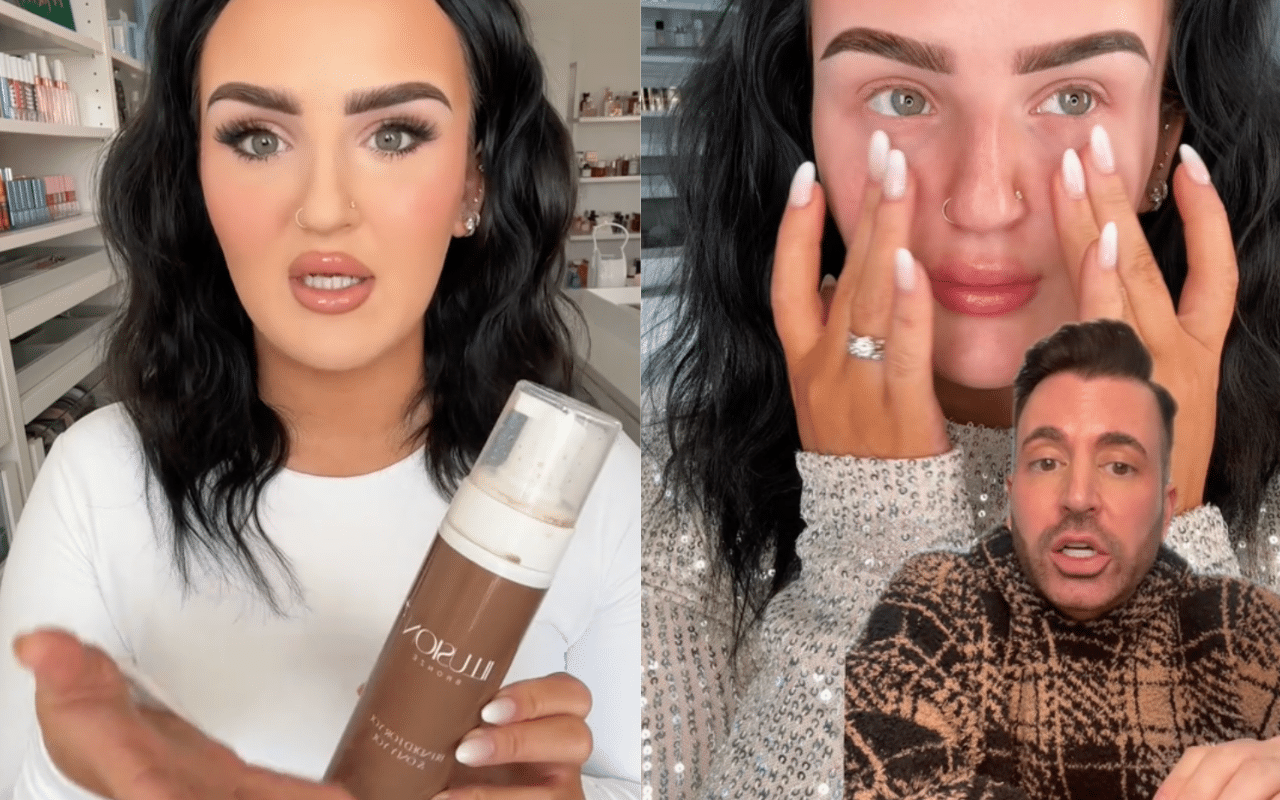
In a world now driven by social media, the advertising industry has been taken over by Influencer brand deals and paid product placement.  Businesses, both small and large, are utilizing, and sometimes relying solely, on influencers to promote their products.  Most of these brand deals are negotiated through formal agreements and contracts, clearly outlining the actions expected by each party.  One common way businesses engage in this marketing is by providing influencers with their products in exchange for exposure.  This typically involves the influencer posting a photo or video on social media that reviews or recommends the product to their audience.  Thus, a review or recommendation from an influencer with a bigger audience is far more valuable.  However, for smaller businesses who do not have prepared contracts for this type of exchange, reliance on informal agreements by influencers to review a product can lead to misunderstandings.  This blog post explores a recent TikTok controversy, where this type of scenario unfolded involving beauty influencer Mikayla Nogueira and Matthew Stevens, the owner of Illusion Bronze, a custom self-tanning product.  Could promissory estoppel, a doctrine in contract law, provide a solution where there are informal agreements for a product review?

The Controversy: Mikayla Nogueira and Illusion Bronze

In 2022, Matthew Stevens, the owner of Illusion Bronze, reached out to beauty influencer Mikayla Nogueira via Instagram direct messages, seeking a video reviewing his custom sunless tanner line.  Following their interaction, Nogueira allegedly agreed to review the product “ASAP.”  Nogueira is known for her product reviews, and previously mentioned in one of her videos that one challenge with reviewing products from small, independent brands is their limited inventory.  These startup brands often struggle to handle the sudden surge in demand from her audience, leading to website crashes and quick sellouts, leaving her audience frustrated and feeling snubbed.

Mikayla Nogueira vs. Illusion Bronze's Matthew Stevens: How Smaller Creators Leverage Influencer Scandal for Clout – Centennial World: Internet Culture, Creators & News

Relying on her promise to review the product “ASAP” and keeping in mind Mikayla’s concerns, Stevens, in the form of a loan to shopify, purchased $10,000 worth of inventory, preparing for this surge in sales that typically accompanies a product review from a major influencer like herself. Stevens waited some time with no review, reached out to Mikayla for reassurance that she would stick to her promise (and even receiving it).  After a few months, Stevens posted a video explaining the situation, accusing Nogueira of failing to honor her promise and claiming financial harm to his business with her to blame.

@whatstrending #mikaylanogueira has been called out on TikTok after #illusionbronze ♬ original sound – WhatsTrending

 Nogueira responded by stating that there was no formal agreement obligating her to review the product and that Stevens’ financial decision was his own.  The dispute escalated via public video responses to one another, with Nogueira insisting that Stevens was trying to rely on her audience for his success, while Stevens felt that her promise was the only reason he took his costly steps. Despite there being no formal agreement between the two requiring Nogueira to review the product in a certain time frame, this situation poses an interesting legal question: Could Stevens have a valid claim under promissory estoppel? Or is this just a risk of the business, as some seasoned public figures have commented:

@bethennyfrankel I’m team @Mikayla Nogueira ALL DAY errday🙌🏼🙂 #mikaylanogueira #influencerdrama #illusionbronze #mikaylanogueiradrama #productreviews #smallbusiness #joshuasanders #lymalaser #lyma #tiktokreviews #beautyinfluencer ♬ original sound – Bethenny Frankel

An implied agreement between the two?

Promissory estoppel is a principle in contract law that enforces a promise even in the absence of a formal contract, provided certain conditions are met.  Under this doctrine, if one party makes a promise, and the other party reasonably relies on that promise to their detriment, the promisor is estopped from arguing that the promise is unenforceable due to a lack of formal contract.

To succeed in a promissory estoppel claim, the following elements must be met:

  1. A clear and definite promise. There must be a clear promise made by the promisor.
  2. Reasonable reliance. The promisee must have reasonably relied on the promise.
  3. The promisee must have suffered a detriment due to their reliance on the promise.
  4. Injustice. Some remedy is necessary to avoid an injustice.

In this case, Nogueira’s message indicating she would review the product “ASAP” might be considered a clear enough promise to satisfy the first requirement.  Nogueira publicly expressed a valid concern about reviewing small businesses that are not capable of handing a large influx of orders.  Thus, Stevens’ advance of $10,000 worth of product might have been a reasonable step to take in reliance of her promise to review.  Since he was expecting a review from her, likely leading to a high influx of orders, he took steps to prepare his business for this scenario and avoid consumer frustration.  Lastly, Stevens’ financial loss from the unsold inventory and any interest on the loan to Shopify may be considered a detriment as a result of his reliance.  With those first three elements met, there is a possibility that injustice could only be avoided by some action and treating their exchange as a legally binding contract.

From a legal standpoint, Nogueira might defend her position by claiming that her statement was not a formal promise but merely an expression of intent.  This is especially possible given the fact that in her responses, she claimed that she “was going to get to it”, admitting that she took too long and should have made the video quicker. With that, there may be a valid argument that while there was some informal agreement, there was no urgency or deadline in place.  This fact might make it unreasonable to hold Nogueira liable for an implied contract that she did not technically breach (yet).  She might also argue that Stevens acted unreasonably by relying on her statement without securing a formal agreement or awaiting some notification from Nogueira that she had recorded the video and was preparing to post it.

This controversy raises important considerations about the relationship between influencers and brands, and how these type of marketing agreements should be arranged.  In traditional commercial settings, contracts mitigate the risk of situations like the Illusion Bronze controversy by ensuring that both parties understand their obligations.  However, social media interactions are far more casual.  The influencer economy may at times operate on less formal interactions, where DMs and verbal agreements may form the basis of understanding between parties.

Implications for Influencers and Brands

For influencers, the takeaway is clear: avoid making promises unless you are prepared to fulfill them, or at least have a standard process for intake of brand deals which clearly outlines obligations and timelines. This also serves as a lesson to influencers to be mindful that businesses, especially small brands, might be making decisions based on their interactions due to the fact that influencers may serve as a direct liaison to their target audience.  Simple steps such as including disclaimers in communications and clarifying any existence of obligations or guarantees every step of the way could draw the line in avoiding miscommunication and reliance.

For upcoming independent brands, let this be a lesson to formalize agreements before making financial decisions.  While it may feel natural to seek out influencer marketing informally on social media, small businesses should prioritize retaining their capital no matter what these interactions sound like.  There are real economic stakes when it comes to making investments based on words.

Conclusion

The economy is clearly evolving with social media, and along with it evolves the business efforts and strategies of brands everywhere. However, the legal principles governing these interactions remain grounded in traditional doctrines such as promissory estoppel.  These doctrines and the law may not evolve as fast as e-commerce, which could make the difference in an influencer’s liability to brands who seek exposure.  As influencer marketing becomes key in the online marketplace, trust and reputation are everything.  Therefore, both parties stand to benefit from clearer terms and understandings of their obligations to each other.


The Internet, Too Big for One Nation to Handle?

Social media is a powerful tool for individuals to exchange ideas and messages quickly. What makes Social Media so powerful? It is powerful because it allows individuals to spread and or exchange information in an instant but with anonymity. Social Media platform systems are built in a way that allows for accounts to be published where an individual or even entity may disguise themselves and post. (Such platforms are Instagram, X, TikTok, etc.) Platforms are aware of the power and ability to make an account and spread information whether it is true or not. This power has spawned a few issues for which the platform must adjust to. However, the liability and need for the platforms to adjust depends.

Here, in the United States, we recognize the need for ethics and the responsibility of upholding a fiduciary duty regardless if an individual is a lawyer or working in another profession that requires such duty. In law, we have the Model Rules of Professional Conduct. We recognize that certain positions in power concerning business transactions can be used in an abusive manner to take advantage of the other party. However, there is a limit to the liability as the United States is a capitalist, free-market economy. Do we want individuals to go ahead and get into business deals without doing their due diligence since the law could help remedy losses due to a business partner not upholding their duties? No, we would not see an end to the amount of cases that could be heard and it would be unfair to the courts, and business partners at some point. Bad business decisions are made all the time just as bad business deals are made. Businesses must adjust and do the work required to ensure they do not make bad choices and find their business suffering from them. Businesses are mature enough to properly face the consequences of a bad decision and work through it to get back into a profitable position.

Well, should these platforms owe a certain duty to the individuals on them? With Section 230 of the 1996 Communications Decency Act, it seems the idea that we have taken as a country is, that it is the user that is liable not the provider of the service for which questionable activity is posted. Therefore liability for activity that can be determined as hateful, inciting violence, or harm will be placed on the account/user who posted the activity, not the individual or company that gives such user a platform (a place for which the user may spread such questionable activity to other users). According to PBS it is a law that dates back to the 1950’s when bookstores were held liable for the content in the books they sold. SCOTUS determined “created a “chilling effect” to hold someone liable for someone else’s content.”

European Commission logo

EUROPE

The European Union (EU) has a different feeling on the liability of platforms. The EU, a committee of European nations who come along to meet in the pursuit of peace, believes consumer protection should be the priority when it comes to online “Digital Services”.

The EU established the Digital Services Act, laying out certain requirements for digital service providers, online intermediaries, and platforms, which would ensure “user safety, protect fundamental rights, and create a fair and open online platform environment.” It is fair to determine that Europe sees the internet as a topic too big for one nation to really figure out a way to manage it. By February 2024, the European Union determined the Act must apply to all types of platforms under the EU’s terminology.

The EU chooses to acknowledge that the internet and its growth are unpredictable. Due to its unpredictability, it is best to provide its users with some safety, as it is evident the internet is needed to complete everyday tasks. If the internet is something that individuals need to use to survive in the modern technological world, then it must be regulated. The most effective way to regulate global platforms is to have a group of nations such as the EU come together and decide on a unified form of regulations.

Russia makes its own attempts to regulate platforms in its own country. The way Russia has been handling Google is a prime example. According to Ty Roush of Forbes, “The Russian government is attempting to fine Google about $20 decillion, a figure with 34 zeros that’s exponentially larger than the world’s economy, over a decision by YouTube—owned by Google’s parent Alphabet—to block channels run by Russian state-run media, according to Russian officials.”

In the last few years, Russia has been holding Google, and its Russian Subsidiary accountable for the allegations that Russia has presented. In response, Google has decided to remove itself from Russia over time to the point its presence will eventually be nonexistent in Russia. Google will not and can not pay the fine that Russia is asking.

It seems to regulate a platform like Google, whose presence is all over the world in more than one nation, it will require more than one nation to come and determine a standard for the platforms. The platforms have established that they are here to stay for a while. One singular nation cannot handle a platform of the scale in nature as Google. Google can decide to go ahead and leave a large profitable market like Russia because it is still established in most nations across the globe outweighing the benefits of staying in Russia and fighting their rules to keep its presence.

North America/U.S.A

The 23 Countries in North America in Alphabetical Order - The Facts Institute

North America, where large influential nations such as Mexico, Canada, and the United States reside, does not have a unified committee such as the European Union. Therefore, regulation is up to the individual nation to come up with their own set of rules or if they want to come up with any at all. With section 230, the United States has relieved liability for the platforms. However, we are aware that individuals’ mental health worsened as the internet grew. It does not look like the issue of mental health in the nation is getting any better. It will definitely not get better with platforms providing places for individuals or even bots to spread harmful activity.

It is time for nations across the globe to come together and acknowledge the internet, and its platforms are a global matter where users are very susceptible. The only way to protect global citizens from the harm the platforms can provide is to establish a unified mindset on handling the internet. It is best to see just how effective the DSA is for the EU and perhaps, one day, the United Nations may establish a treaty amongst nations where platforms may be regulated with users’ safety as the priority.

Meta AI: Innovation, but at what cost?

Artificial Intelligence has become the cutting edge of technology for decades to come, and to this point, nobody knows its complete capabilities. AI is limitless. The more recent advancements include Social Media Companies developing their own AI configurations to enhance the user’s experiences and allows users to use AI to do tasks like text/image generation, assist users navigation through the app, and more.  So what’s the issue? Well, companies like Meta are creating their own AI for their platforms as open-sourced models which can pose significant privacy risks to their users.

What is Meta & Meta AI?

Meta which was formerly known as “The Facebook Inc.” rebranded to encompass a variety of platforms under one corporation which includes relevant social networks such as Instagram and WhatsApp. Both are commonly known social media platforms that also connect millions of people around the globe. Meta developed their AI platform “Meta AI” in April of 2024 which can do things like Answer questions, Generate photos, Search Instagram reels, Provide emotional support, Assist with tasks like solving scholastic problems, write emails, and more.

Photo Credits

Open-Source V. Closed-Source

Meta has established that their AI is an open-source model, but what’s the difference? Well, AI can be either an open-sourced or closed-sourced. An open-sourced AI Model means that the data and software are publicly available to anyone. By sharing code and data, developers can learn from each other and continue to innovate the AI model. Users of an open-source AI Model have the ability to examine the AI systems they use, which can promote transparency. However, there can be difficulties in regulating bad actors.

Closed-sourced models keep their data and software secret strictly to their owners and developers. By keeping their code and data secret, closed-source AI companies can protect their trade secrets and prevent unauthorized access or copying. Closed-source AI, however, tends to be less innovative as 3rd party developers cannot contribute to future technological advancements of the AI model. It is also difficult for users to examine and patrol the model because they  do not have access to the data inputted and the software.

The Cost:

In order to train this open sourced model Meta used a variety of users data. What data exactly Meta is taking from you? Well to highlight some of the controversial data they are taking, it includes: Content that users create, Messages users send and receive that aren’t end-to-end encrypted, users engagement with posts, Purchases users make through meta, users Contact Info, Device information, GPS location, IP Address, and Cookie Data. All of which according to their privacy policy are permitted for their use. Meta disclaims in their privacy policy that “Meta may share certain information about you that is processed when using the AI’s with third parties who help us provide you with more relevant or useful responses.”This includes personal information.

By Meta being committed to open-sourcing their AI they pose a great privacy risk to their users. While they have already noted that they may share personal information with 3rd parties in certain situations, outside developers have the opportunity to expose vulnerabilities within their algorithm by reverse-engineering the code to extract data that the Algorithm was trained with. Which in Meta’s case, can involve the personal information of the users that they used to train the model. Additionally, 3rd parties will also now have access to a wide variety of consumer information without consumers’ giving direct consent to them. Companies can then use this information to their commercial advantage. 

Meta has stated that they have taken exemplary steps in order to ensure the protection of their user’s data from third parties. This includes the development of third-party oversight and management programs that mitigate risk and implement what they believe to be the necessary steps to do so. To note, Facebook has been breached on more than one occasion, most notably in relation to the Cambridge Analytica Scandal. where Cambridge Analytica stole more than 10 million users of Facebook personal information for voter profiling and targeting.

Innovative:

Upon release, there were privacy concerns amongst users since Meta’s AI model was open-sourced. Mark Zuckerberg, CEO of Meta issued a public statement highlighting the benefits of their AI model being open-sourced, to summarize:

  1. Open-sourced AI is good for developers because it gives them the technological freedom to control the software, and open-source models are developing at a faster rate than closed models. 
  2. The model will all meta to continue to be competitive, allowing them to spend more money on research. 
  3. By being open-sourced it gives the world an opportunity for economic growth and better security for everyone because it will allow Meta to be at the forefront of AI advancement.

Effectively, Metas’ open-source model is beneficial to ensure consistent technological achievement for the company.

Photo Credits:

What Users Can Do:

In reality, it is difficult to regulate open-sourced AI from bad actors. Therefore, governmental action is needed to protect users personal data from being exploited. Recently 12 states have taken initiative to protect users. For example, the State of California amended the CCPA to protect users’ personal information for the usage of training AI models. Imposing that users must affirmatively authorize the usage of their info, otherwise, it is prohibited. As for the rest of the nation, there is little to none state or federal regulation regarding users’ privacy, The American Data and Protection Act failed to pass a congressional vote, therefore rendering millions of people defenseless.

For users who are looking to stop Meta from using their data, there is no sort of opt-out button across the United States. However, according to Meta, depending on a user’s setting preferences, a photo or post can be stopped from being used by making them Private. Unfortunately, this is not retroactive and all previous data will not be removed from the model. 

While Meta looks to be at the forefront of AI, their open-sourced model poses serious security risks for their users due to lack of regulation and questionable protection.

Parents Using Their Children for Clicks on YouTube to Make Money

With the rise of social media, an increasing number of people have turned to these platforms to earn money. A report from Goldman Sachs reveals that 50 million individuals are making a living as influencers, and this number is expected to grow by 10% to 20% annually through 2028. Alarmingly, some creators are exploiting their children in the process by not giving them fair compensation.

Photo Credits

How Do YouTubers Make Money? 

You might wonder how YouTubers make money from their videos. YouTube pays creators for views through ads that appear in their content. The more clicks they get the more money they make. Advertisers pay YouTube a set rate for every 1,000 ad views, YouTube keeps 45% of the revenue while creators receive the remaining 55%. To earn money from ads, creators must be eligible for the YouTube Partner Program (YPP). YYP allows revenue sharing from ads that are played on the influencer’s content. On average, a YouTuber earns about $0.018 per view, which totals approximately $18 for every 1,000 views. As of September 30, 2024, the average annual salary for a YouTube channel in the United States is $68,714, with well-known YouTubers earning between $48,500 and $70,500, and top earners making around $89,000. Some successful YouTubers even make millions annually. 

In addition to ad revenue, YouTubers can earn through other sources like AdSense, which also pays an average of $18 per 1,000 ad views. However, only 15% of total video views count toward the required 30 seconds of view time for the ad to qualify for payment. Many YouTubers also sell merchandise such as t-shirts, sweatshirts, hats, and phone cases. Channels with over 1 million subscribers often have greater opportunities for sponsorships and endorsements. Given the profit potential, parents may be motivated to create YouTube videos that attract significant views. Popular genres that feature kids include videos unboxing and reviewing new toys, demonstrating how certain toys work, participating in challenges or dares, creating funny or trick videos, and engaging in trending TikTok dances. 

Photo Credits 

Child Labor Laws Relating to Social Media 

Only a few states have established labor laws specifically for child content creators, with California and Illinois being worthy examples. Illinois was one of the first states to implement such regulations, started by 16-year-old Shreya Nallamothu. She brought attention to the issue of parents profiting from their children’s appearances in their content to Governor J.B. Pritzker. Shreya noted that she “kept seeing cases of exploitation” during her research and felt compelled to act. In a local interview, she explained her motivation for the change was triggered by “…very young children who may not understand what talking to a camera means, they can’t grasp what a million viewers look like. They don’t comprehend what they’re putting on the internet for profit, nor that it won’t just disappear, and their parents are making money off it.” 

As a result, Illinois passed Illinois Law SB 1782, which took effect on July 1, 2024. This law mandates that parent influencers compensate their children for appearing in their content. It amends the state’s Child Labor Law to include children featured in their parents’ or caregivers’ social media. Minors 16 years old and under must be paid 15% of the influencer’s gross earnings if they appear in at least 30% of monetized content. Additionally, they are entitled to 50% of the profits based on the time they are featured. The adult responsible for creating the videos is required to set aside the gross earnings in a trust account within 30 days for the child to access when they turn 18. The law also grants children the right to request the deletion of content featuring them. This part of the legislation is a significant step in ensuring that children have some control over the content that follows them into adulthood. If the adult fails to comply, the minor can sue for damages once they become adults. Generally, children who are not residents of Illinois can bring an action under this law as long as the alleged violation occurred within Illinois, the law applies to the case, and the court has jurisdiction over the parent (defendant).

California was the second state to pass a law on this. The California Content Creator Rights Act was authored by Senator Steve Padilla (D-San Diego) and passed in August 2024. This law requires influencers who feature minors in at least 30% of their videos to set aside a proportional percentage of their earnings in a trust for the minor to access upon reaching adulthood. This bill is broader than Illinois’s bill, but they both aim to ensure that creators who are minors receive fair financial benefits from the use of their image. 

There is hope that other states will see Illinois and California laws that give children influencers fair financial benefits for the use of their image in their parent’s videos and create similar laws. Parents should not be exploiting their kids by making a profit off of them. 

Photo Credits

Can Social Media Platforms Be Held Legally Responsible If Parents Do Not Pay Their Children? 

Social media platforms will probably not be held liable because of Section 230 of the Communications Decency Act of 1996. This law protects social media platforms from being held accountable for users’ actions and instead holds the user who made the post responsible for their own words and actions. For example, if a user posts defamatory content on Instagram, the responsibility lies with the user, not Instagram.  

Currently, the only states that have requirements for parent influencers to compensate their children featured on their social media accounts are Illinois and California. If a parent in these states fails to set aside money for their child as required by law, most likely only the parent will be held liable. It is unlikely that social media platforms will be held responsible for violations by the parent because of Section 230.

Skip to toolbar